25 Energy Boosting Recipes | Healthy Recipes That Support Natural Energy And Vitality
Discover energy boosting recipes and healthy recipes for energy and vitality, including foods that increase energy and help support daily vitality and balance.
NUTRITION FOR ENERGY
Written by Emily A. Bennett – Health Research Editor – Based on peer-reviewed research
2/10/202633 min read
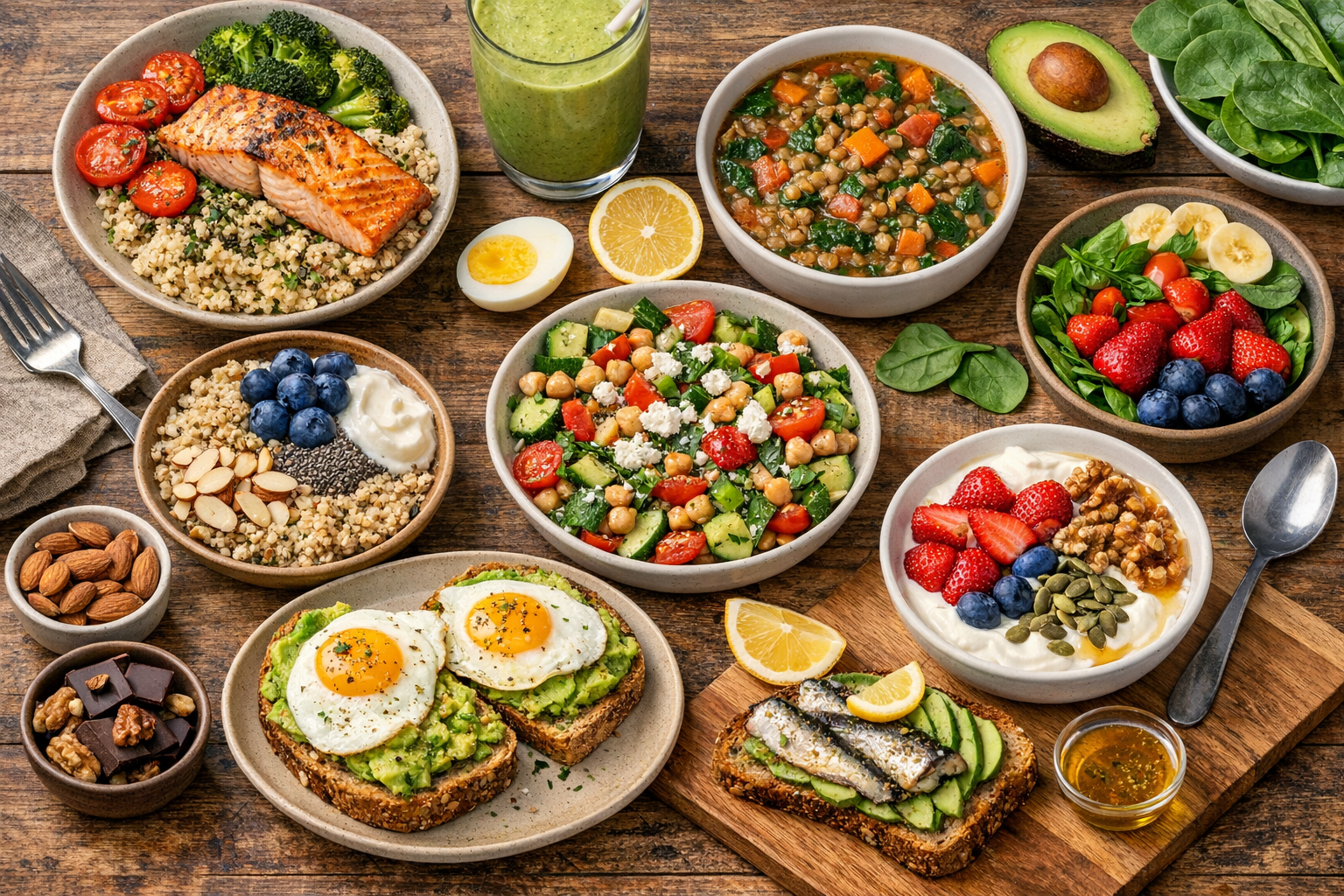
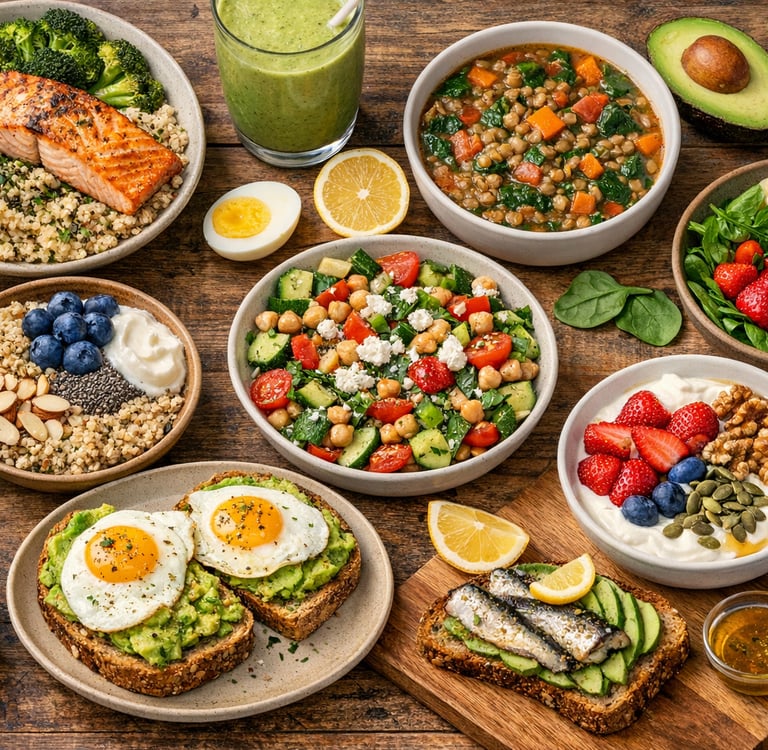
Energy-Boosting Recipes: 25 Simple Meals That Support Energy Naturally
Many people notice that energy levels change as the years go by. Meals that once felt satisfying may suddenly leave you feeling sluggish or tired a few hours later.
Nutrition plays an important role in how the body produces and manages energy. Certain nutrients, including magnesium, B vitamins, iron, healthy fats, and protein, are involved in cellular energy production.
In this guide, you’ll find 25 simple recipes designed to support steady energy levels, using whole foods that provide balanced nutrition.
These recipes are easy to prepare, practical for everyday life, and designed for people looking to support energy naturally.
What You'll Learn
In this guide you’ll discover:
• Breakfast recipes that support steady morning energy
• Smoothies rich in nutrients linked to energy metabolism
• Lunch and dinner meals designed to help avoid energy crashes
• Snacks that support stable blood sugar levels
• Practical meals you can prepare in minutes
Meals that combine protein, healthy fats, and complex carbohydrates are often associated with more stable energy levels than meals high in refined sugars.
Recipes in This Guide:
• Energy-Boosting Breakfast Recipes
• Energy-Supporting Smoothies
• Balanced Lunch Recipes
• Nutritious Dinner Recipes
• Healthy Energy Snacks
Energy-Supporting Breakfast Recipes
Breakfast can play a key role in how your energy develops throughout the day. Meals that include protein, fiber, and healthy fats may help support sustained energy levels.
P1. Spinach Banana Energy Smoothie
A quick smoothie that combines leafy greens, healthy fats, and natural carbohydrates.
Preparation Time: 5 minutes
Total Time: 5 minutes
Servings: 1
Difficulty: Easy
Ingredients
1 banana
1 cup fresh spinach
1 tablespoon almond butter
1 cup unsweetened almond milk
1 teaspoon chia seeds
How to Prepare
Add almond milk to a blender.
Add banana and spinach.
Add almond butter and chia seeds.
Blend for 30–45 seconds until smooth.
Serve immediately.
Why This Recipe Supports Energy
Spinach contains magnesium and iron, nutrients involved in energy metabolism. Bananas provide natural carbohydrates and potassium, while almond butter contributes healthy fats that may help support steady energy levels.
When to Enjoy
Morning breakfast or mid-morning snack.
2. Avocado Egg Energy Toast
A balanced breakfast combining protein, healthy fats, and whole grains.
Preparation Time: 5 minutes
Cooking Time: 5 minutes
Total Time: 10 minutes
Servings: 1
Ingredients
1 slice whole-grain bread
1 egg
½ avocado
Salt and pepper
Optional: red pepper flakes
How to Prepare
Toast the bread.
Cook the egg in a pan.
Mash avocado with a fork.
Spread avocado on toast.
Add the egg on top and season.
Energy Benefits
Eggs provide protein, which helps maintain satiety and stable energy. Avocados provide healthy fats that support sustained fuel throughout the morning.
3. Greek Yogurt Energy Bowl
Preparation Time: 3 minutes
Servings: 1
Ingredients
1 cup plain Greek yogurt
½ cup berries
1 tablespoon walnuts
1 teaspoon honey
Preparation
Combine all ingredients in a bowl and mix gently.
Energy Benefits
Greek yogurt contains protein while berries provide antioxidants and natural carbohydrates that may support energy levels.
4. Oatmeal with Almonds and Berries
A warm and comforting breakfast that combines complex carbohydrates, healthy fats, and fiber. Oatmeal is widely recognized as a practical meal that may support steady energy levels throughout the morning.
Preparation Time: 5 minutes
Cooking Time: 5–7 minutes
Total Time: 10–12 minutes
Servings: 1
Difficulty: Easy
Ingredients
½ cup rolled oats
1 cup unsweetened almond milk (or regular milk if preferred)
¼ cup blueberries (fresh or frozen)
1 tablespoon sliced almonds
1 teaspoon ground flax seeds
Optional: 1 teaspoon honey or maple syrup
Optional: pinch of cinnamon
How to Prepare
Heat the liquid
Pour the almond milk into a small saucepan and place it over medium heat until it begins to warm.Add the oats
Stir the rolled oats into the warm milk.Cook the oatmeal
Reduce heat to medium-low and let the oats cook for about 5 minutes, stirring occasionally so they do not stick to the pan.Check the texture
When the oats absorb most of the liquid and reach a creamy consistency, remove the saucepan from heat.Transfer to a bowl
Pour the cooked oatmeal into a serving bowl.Add toppings
Sprinkle blueberries, sliced almonds, and flax seeds over the oatmeal.Optional finishing touch
If desired, add a small drizzle of honey or maple syrup and a pinch of cinnamon for extra flavor.Serve warm
Enjoy immediately while the oatmeal is warm and creamy.
Why This Recipe Supports Energy
Oats are a source of complex carbohydrates and fiber, which release energy gradually during digestion. Almonds provide healthy fats that may help support satiety, while berries contribute antioxidants and natural carbohydrates.
Optional Variations
• Replace blueberries with strawberries or raspberries
• Add a tablespoon of peanut butter for extra protein
• Include chopped walnuts for additional healthy fats
5. Peanut Butter Banana Toast
A simple and satisfying breakfast that combines natural carbohydrates, healthy fats, and protein. This quick meal is often appreciated for providing balanced nutrition that may help support steady energy levels.
Preparation Time: 3 minutes
Cooking Time: 2 minutes
Total Time: 5 minutes
Servings: 1
Difficulty: Very easy
Ingredients
1 slice whole-grain bread
1 tablespoon natural peanut butter (unsweetened if possible)
½ banana, sliced
Optional: pinch of cinnamon
Optional: drizzle of honey
Optional: 1 teaspoon chia seeds or flax seeds
How to Prepare
Toast the bread
Place the slice of whole-grain bread in a toaster or toaster oven and toast it until it becomes lightly golden and slightly crisp.Prepare the banana
While the bread is toasting, peel the banana and cut half of it into thin slices.Spread the peanut butter
Once the toast is ready, place it on a plate and spread the peanut butter evenly over the warm bread.Add the banana slices
Arrange the banana slices evenly over the peanut butter so each bite contains both ingredients.Optional toppings
If desired, sprinkle a pinch of cinnamon over the toast or add chia seeds or flax seeds for extra texture and nutrients.Optional sweetness
For a slightly sweeter flavor, add a very small drizzle of honey.Serve immediately
Enjoy while the toast is still warm.
Why This Recipe Supports Energy
This recipe combines several nutrients that may support sustained energy:
• Whole-grain bread provides complex carbohydrates that release energy gradually.
• Peanut butter contains healthy fats and protein that help promote satiety.
• Bananas provide natural carbohydrates and potassium, which play a role in muscle and nerve function.
Optional Variations
• Replace peanut butter with almond butter or cashew butter
• Add sliced strawberries for additional antioxidants
• Sprinkle pumpkin seeds for extra minerals
When to Enjoy
This recipe works well as:
• A quick breakfast on busy mornings
• A light mid-morning snack
• A pre-exercise snack
Nutritional Highlights
This simple toast provides a balanced combination of:
• Complex carbohydrates
• Healthy fats
• Fiber
• Natural sugars from fruit
These nutrients together may help support steady energy levels.
Energy-Supporting Smoothies
Smoothies can be a convenient way to combine multiple nutrients in a single meal.
6. Berry Antioxidant Smoothie
This refreshing smoothie combines berries, yogurt, and seeds to create a nutrient-rich drink that may help support steady energy levels. Berries are widely known for their antioxidant content, while yogurt adds protein that can help promote satiety.
Preparation Time: 5 minutes
Total Time: 5 minutes
Servings: 1 large smoothie
Difficulty: Very easy
Ingredients
½ cup strawberries (fresh or frozen)
½ cup blueberries
½ cup plain Greek yogurt
¾ cup unsweetened almond milk
1 teaspoon chia seeds
Optional: 1 teaspoon honey or maple syrup
Optional: a few ice cubes (if using fresh berries)
How to Prepare
Prepare the ingredients
Wash the strawberries if they are fresh and remove the stems. If the berries are frozen, they can be used directly from the freezer.Add the liquid first
Pour the almond milk into the blender. Adding the liquid first helps the blender mix the ingredients more smoothly.Add the yogurt
Spoon the Greek yogurt into the blender. This adds creaminess and protein to the smoothie.Add the berries
Place the strawberries and blueberries into the blender.Add the chia seeds
Sprinkle the chia seeds into the mixture for extra fiber and nutrients.Blend the smoothie
Blend everything on medium to high speed for about 30–45 seconds until the texture becomes smooth and creamy.Adjust the texture if needed
If the smoothie is too thick, add a small splash of almond milk and blend again for a few seconds.Optional sweetness
Taste the smoothie. If you prefer a sweeter flavor, add a small amount of honey or maple syrup and blend again briefly.Serve immediately
Pour the smoothie into a glass and enjoy right away.
Why This Recipe Supports Energy
This smoothie combines several ingredients that may support energy metabolism:
• Berries contain antioxidants and natural carbohydrates.
• Greek yogurt provides protein that may help maintain satiety.
• Chia seeds contribute fiber and healthy fats that help slow digestion.
Together, these ingredients create a balanced snack or breakfast option.
Optional Variations
• Replace strawberries with raspberries or blackberries
• Add ½ banana for a creamier texture
• Include spinach for extra micronutrients without changing the flavor significantly
When to Enjoy
This smoothie works well as:
• A quick breakfast
• A post-exercise snack
• A refreshing afternoon energy boost
Nutritional Highlights
This smoothie contains nutrients commonly associated with healthy energy metabolism:
• Antioxidants
• Fiber
• Protein
• Natural carbohydrates
7. Green Energy Smoothie
This refreshing green smoothie combines leafy greens, fruit, and hydrating ingredients to create a light yet nutrient-rich drink. Many people enjoy green smoothies because they provide vitamins, minerals, and natural carbohydrates that may help support steady energy levels.
Preparation Time: 5 minutes
Total Time: 5 minutes
Servings: 1 large smoothie
Difficulty: Very easy
Ingredients
1 cup fresh spinach
½ banana
½ cup pineapple chunks (fresh or frozen)
¾ cup coconut water
1 teaspoon chia seeds
Optional: a few ice cubes
Optional: 1 teaspoon honey
How to Prepare
Prepare the ingredients
Wash the spinach thoroughly if using fresh leaves. If using fresh pineapple, cut it into small chunks for easier blending.Add the liquid first
Pour the coconut water into the blender. Adding the liquid first helps the blender mix the ingredients more smoothly.Add the leafy greens
Place the spinach into the blender. Leafy greens blend more easily when added early.Add the fruit
Add the banana and pineapple chunks to the blender.Add chia seeds
Sprinkle the chia seeds into the mixture for additional fiber and nutrients.Blend the smoothie
Blend on medium to high speed for about 30–45 seconds, until the smoothie becomes smooth and evenly mixed.Adjust the texture if needed
If the smoothie is too thick, add a small amount of coconut water and blend again.Optional sweetness
If desired, add a small drizzle of honey and blend briefly.Serve immediately
Pour the smoothie into a glass and enjoy while fresh.
Why This Recipe Supports Energy
This smoothie combines ingredients that contribute nutrients involved in energy metabolism:
• Spinach contains magnesium and iron, nutrients associated with cellular energy production.
• Bananas provide natural carbohydrates and potassium.
• Pineapple adds vitamin C and natural sugars that may help support quick energy.
• Coconut water contributes hydration and electrolytes.
Optional Variations
• Replace pineapple with mango for a sweeter flavor
• Add ½ avocado for extra healthy fats
• Include a scoop of protein powder to increase protein content
When to Enjoy
This smoothie works well as:
• A refreshing breakfast option
• A post-workout drink
• A light afternoon energy boost
Nutritional Highlights
This smoothie contains nutrients often linked to energy and overall wellness:
• Magnesium
• Potassium
• Fiber
• Natural fruit carbohydrates
• Hydrating electrolytes
8. Mango Turmeric Smoothie
This vibrant smoothie combines tropical mango with turmeric and yogurt to create a refreshing drink rich in nutrients. Turmeric is widely known for its natural compounds, while mango provides natural sweetness and vitamins that may help support overall wellness and energy balance.
Preparation Time: 5 minutes
Total Time: 5 minutes
Servings: 1 large smoothie
Difficulty: Very easy
Ingredients
½ cup mango chunks (fresh or frozen)
½ banana
½ cup plain Greek yogurt
¾ cup unsweetened almond milk
¼ teaspoon ground turmeric
1 teaspoon chia seeds
Optional: pinch of black pepper
Optional: 1 teaspoon honey
How to Prepare
Prepare the ingredients
If using fresh mango, peel it and cut it into small chunks. If using frozen mango, it can go directly into the blender.Add the liquid first
Pour the almond milk into the blender. This helps the blender mix the ingredients more easily.Add the yogurt
Spoon the Greek yogurt into the blender to provide a creamy texture and additional protein.Add the fruit
Add the mango chunks and banana.Add turmeric and chia seeds
Sprinkle the turmeric and chia seeds into the mixture.Optional ingredient for turmeric absorption
Add a small pinch of black pepper if desired. Black pepper contains compounds that may enhance the absorption of curcumin, a natural compound found in turmeric.Blend the smoothie
Blend on medium to high speed for about 30–45 seconds, until smooth and creamy.Adjust texture if needed
If the smoothie is too thick, add a small splash of almond milk and blend again briefly.Optional sweetness
Taste the smoothie and add a small drizzle of honey if you prefer a sweeter flavor.Serve immediately
Pour into a glass and enjoy while fresh.
Why This Recipe Supports Energy
This smoothie contains ingredients that contribute nutrients involved in metabolic processes:
• Mango provides natural carbohydrates and vitamin C.
• Greek yogurt adds protein that helps support satiety.
• Turmeric contains compounds that have been studied for their role in supporting overall health.
• Chia seeds contribute fiber and healthy fats that may help slow digestion.
Optional Variations
• Replace banana with pineapple for a more tropical flavor
• Add ½ teaspoon grated fresh ginger for extra flavor
• Include a scoop of protein powder for additional protein
When to Enjoy
This smoothie works well as:
• A refreshing breakfast
• A light afternoon snack
• A post-exercise drink
Nutritional Highlights
This smoothie provides nutrients often associated with healthy energy metabolism:
• Natural carbohydrates
• Protein
• Fiber
• Antioxidants
• Micronutrients such as vitamin C
9. Protein Energy Smoothie
This smoothie combines protein, complex carbohydrates, and healthy ingredients to create a balanced drink that may help support sustained energy levels. Smoothies that include both protein and carbohydrates are often appreciated as a quick meal or recovery snack.
Preparation Time: 5 minutes
Total Time: 5 minutes
Servings: 1 large smoothie
Difficulty: Very easy
Ingredients
½ banana
¼ cup rolled oats
1 scoop protein powder (vanilla or unflavored)
¾ cup unsweetened almond milk
1 tablespoon peanut butter or almond butter
Optional: 1 teaspoon honey or maple syrup
Optional: a few ice cubes
How to Prepare
Prepare the ingredients
Peel the banana and cut it into a few pieces. Measure the oats and protein powder so they are ready to add to the blender.Add the liquid first
Pour the almond milk into the blender. Starting with the liquid helps the ingredients blend more smoothly.Add the banana
Place the banana pieces into the blender.Add the oats
Add the rolled oats. Oats provide complex carbohydrates and help create a thicker smoothie texture.Add the protein powder
Add one scoop of protein powder to the blender.Add the nut butter
Add the peanut butter or almond butter to contribute healthy fats and flavor.Blend the smoothie
Blend on medium to high speed for about 30–45 seconds, until the mixture becomes smooth and creamy.Adjust texture if needed
If the smoothie is too thick, add a small splash of almond milk and blend again.Optional sweetness
Taste the smoothie and add honey or maple syrup if you prefer a sweeter flavor.Serve immediately
Pour the smoothie into a glass and enjoy right away.
Why This Recipe Supports Energy
This smoothie combines nutrients that may help support steady energy levels:
• Protein powder contributes protein, which may help promote satiety and muscle recovery.
• Oats provide complex carbohydrates that release energy gradually.
• Bananas supply natural carbohydrates and potassium.
• Nut butter provides healthy fats that can help stabilize energy levels.
Optional Variations
• Replace peanut butter with cashew butter or sunflower seed butter
• Add ½ teaspoon cinnamon for extra flavor
• Include a handful of spinach for additional micronutrients without strongly changing the taste
When to Enjoy
This smoothie works well as:
• A quick breakfast
• A post-workout recovery drink
• A mid-morning or afternoon snack
Nutritional Highlights
This smoothie provides a balanced combination of nutrients associated with sustained energy:
• Protein
• Complex carbohydrates
• Healthy fats
• Fiber
10. Chocolate Almond Smoothie
This smoothie combines cocoa, almonds, and banana to create a rich and satisfying drink. Cocoa contains natural compounds and antioxidants, while almonds contribute healthy fats that may help support steady energy levels throughout the day.
Preparation Time: 5 minutes
Total Time: 5 minutes
Servings: 1 large smoothie
Difficulty: Very easy
Ingredients
½ banana
1 tablespoon almond butter
1 teaspoon unsweetened cocoa powder
¾ cup unsweetened almond milk
1 teaspoon chia seeds
Optional: 1 teaspoon honey or maple syrup
Optional: a few ice cubes
How to Prepare
Prepare the ingredients
Peel the banana and cut it into smaller pieces so it blends more easily.Add the liquid first
Pour the almond milk into the blender. Starting with the liquid helps the ingredients blend smoothly.Add the banana
Place the banana pieces into the blender.Add the almond butter
Spoon the almond butter into the blender to add creaminess and healthy fats.Add the cocoa powder
Sprinkle the unsweetened cocoa powder into the mixture.Add chia seeds
Add the chia seeds for additional fiber and nutrients.Blend the smoothie
Blend on medium to high speed for about 30–45 seconds, until the mixture becomes smooth and creamy.Adjust the texture if needed
If the smoothie is too thick, add a small splash of almond milk and blend again briefly.Optional sweetness
Taste the smoothie and add honey or maple syrup if you prefer a slightly sweeter flavor.Serve immediately
Pour the smoothie into a glass and enjoy while fresh.
Why This Recipe Supports Energy
This smoothie contains ingredients that provide nutrients involved in energy metabolism:
• Bananas supply natural carbohydrates and potassium.
• Almond butter provides healthy fats that may help support steady energy levels.
• Cocoa powder contains antioxidants and natural compounds associated with overall wellness.
• Chia seeds contribute fiber that may help slow digestion.
Optional Variations
• Replace almond butter with peanut butter or cashew butter
• Add ½ scoop protein powder for additional protein
• Include a handful of spinach for extra micronutrients
When to Enjoy
This smoothie works well as:
• A quick breakfast
• A post-exercise snack
• An afternoon energy boost
Nutritional Highlights
This smoothie provides a combination of nutrients often associated with sustained energy:
• Natural carbohydrates
• Healthy fats
• Fiber
• Antioxidants
Energy-Supporting Lunch Recipes
Balanced lunches may help maintain stable energy levels during the afternoon.
11. Salmon and Quinoa Bowl
This balanced bowl combines salmon, quinoa, and vegetables to create a nutrient-dense meal that provides protein, healthy fats, and complex carbohydrates. Meals like this are often appreciated for supporting steady energy levels and overall nutritional balance.
Preparation Time: 10 minutes
Cooking Time: 15 minutes
Total Time: 25 minutes
Servings: 2
Difficulty: Easy
Ingredients
2 salmon fillets
1 cup quinoa
2 cups water or vegetable broth
1 cup broccoli florets
1 tablespoon olive oil
1 tablespoon lemon juice
Salt and black pepper to taste
Optional: chopped parsley for garnish
How to Prepare
Rinse the quinoa
Place the quinoa in a fine strainer and rinse it under cold running water for about 30 seconds. This helps remove natural bitterness.Cook the quinoa
In a medium saucepan, combine the rinsed quinoa with 2 cups of water or vegetable broth.
Bring to a boil over medium-high heat.Simmer the quinoa
Once boiling, reduce the heat to low, cover the saucepan, and let the quinoa simmer for about 12–15 minutes until the liquid is absorbed.Fluff the quinoa
Remove the saucepan from heat and fluff the quinoa gently with a fork.Prepare the salmon
Pat the salmon fillets dry with a paper towel and season both sides with salt and black pepper.Cook the salmon
Heat olive oil in a skillet over medium heat.
Place the salmon fillets skin-side down and cook for about 4–5 minutes per side, depending on thickness, until the fish is fully cooked and flakes easily with a fork.Cook the broccoli
While the salmon cooks, steam the broccoli florets in a small pot or steamer basket for about 3–4 minutes until they are tender but still slightly crisp.Assemble the bowl
Divide the quinoa between two bowls.
Add one salmon fillet to each bowl and arrange the broccoli on the side.Finish with lemon juice
Drizzle lemon juice over the salmon and vegetables.Optional garnish
Sprinkle chopped parsley over the bowl for extra freshness and color.
Why This Recipe Supports Energy
This bowl contains several nutrients involved in metabolic processes:
• Salmon provides protein and omega-3 fatty acids.
• Quinoa supplies complex carbohydrates and plant protein.
• Broccoli contributes fiber and micronutrients.
• Olive oil provides healthy fats that may support sustained energy.
Optional Variations
• Replace broccoli with roasted asparagus or green beans
• Add avocado slices for additional healthy fats
• Sprinkle sesame seeds for extra texture and nutrients
When to Enjoy
This meal works well as:
• A balanced lunch
• A nutritious dinner
• A recovery meal after physical activity
Nutritional Highlights
This meal provides nutrients often associated with balanced energy levels:
• Protein
• Complex carbohydrates
• Healthy fats
• Fiber
• Omega-3 fatty acids
12. Chicken and Sweet Potato Bowl
This balanced bowl combines lean protein, complex carbohydrates, and leafy greens to create a satisfying and nourishing meal. Sweet potatoes are widely appreciated for their slow-releasing carbohydrates, while chicken provides protein that helps support satiety and muscle function.
Preparation Time: 10 minutes
Cooking Time: 20 minutes
Total Time: 30 minutes
Servings: 2
Difficulty: Easy
Ingredients
2 chicken breasts
1 large sweet potato
2 cups fresh spinach
1 tablespoon olive oil
1 teaspoon paprika
Salt and black pepper to taste
Optional: 1 tablespoon lemon juice
Optional: 1 teaspoon garlic powder
How to Prepare
Preheat the oven
Preheat your oven to 400°F (200°C) so it is ready for roasting the sweet potatoes.Prepare the sweet potato
Wash the sweet potato thoroughly and peel it if desired.
Cut it into small cubes of about 1 inch for even cooking.Season the sweet potato
Place the sweet potato cubes in a bowl, drizzle with half of the olive oil, and season lightly with salt and pepper. Toss gently to coat.Roast the sweet potato
Spread the cubes evenly on a baking sheet and roast in the oven for 18–20 minutes, turning once halfway through, until tender and lightly golden.Prepare the chicken
While the sweet potato is roasting, pat the chicken breasts dry with a paper towel.Season the chicken
Rub the chicken with the remaining olive oil, paprika, garlic powder (optional), salt, and pepper.Cook the chicken
Heat a skillet over medium heat and cook the chicken breasts for about 6–7 minutes per side, depending on thickness, until fully cooked and no longer pink in the center.Slice the chicken
Remove the chicken from the skillet and let it rest for 2 minutes. Then slice it into strips.Prepare the spinach
Place fresh spinach into the serving bowls. The warmth from the other ingredients will slightly soften the leaves.Assemble the bowls
Divide the roasted sweet potatoes and sliced chicken between the bowls.Optional finishing touch
Drizzle lemon juice over the bowl for extra freshness.
Why This Recipe Supports Energy
This meal contains several nutrients that play a role in balanced energy levels:
• Chicken provides protein that supports satiety and muscle maintenance.
• Sweet potatoes supply complex carbohydrates that release energy gradually.
• Spinach contains micronutrients such as magnesium and iron.
• Olive oil provides healthy fats that contribute to sustained energy.
Optional Variations
• Add avocado slices for additional healthy fats
• Include roasted broccoli or bell peppers for more vegetables
• Replace chicken with tofu or chickpeas for a plant-based version
When to Enjoy
This recipe works well as:
• A balanced lunch
• A nutritious dinner
• A meal after physical activity
Nutritional Highlights
This meal provides nutrients commonly associated with sustained energy:
• Lean protein
• Complex carbohydrates
• Fiber
• Healthy fats
• Micronutrients from leafy greens
13. Mediterranean Energy Salad
This Mediterranean-inspired salad combines chickpeas, fresh vegetables, olive oil, and feta cheese to create a refreshing and balanced meal. The Mediterranean diet is widely associated with nutrient-dense foods, healthy fats, and balanced meals that may help support overall wellness and steady energy levels.
Preparation Time: 10 minutes
Total Time: 10 minutes
Servings: 2
Difficulty: Easy
Ingredients
1 cup cooked chickpeas (or canned chickpeas, drained and rinsed)
1 cup cherry tomatoes, halved
½ cucumber, diced
¼ red onion, finely sliced
¼ cup feta cheese, crumbled
1 tablespoon olive oil
1 tablespoon lemon juice
Salt and black pepper to taste
Optional: 1 tablespoon chopped fresh parsley or basil
How to Prepare
Prepare the chickpeas
If using canned chickpeas, drain and rinse them under cold water to remove excess sodium and improve flavor.Prepare the vegetables
Wash the cherry tomatoes and cut them in half.
Dice the cucumber into small cubes.
Slice the red onion thinly.Combine the base ingredients
In a large mixing bowl, add the chickpeas, tomatoes, cucumber, and red onion.Add the feta cheese
Sprinkle the crumbled feta cheese over the salad.Prepare the dressing
In a small bowl, mix the olive oil, lemon juice, salt, and black pepper.Dress the salad
Pour the dressing over the salad ingredients.Mix gently
Toss everything gently with a spoon so the dressing coats all ingredients evenly.Optional herbs
Add chopped parsley or basil for additional freshness and flavor.Serve immediately
Divide the salad into bowls and serve fresh.
Why This Recipe Supports Energy
This salad contains several ingredients associated with balanced nutrition and energy metabolism:
• Chickpeas provide plant protein and fiber that help support satiety.
• Olive oil contributes healthy fats commonly associated with Mediterranean dietary patterns.
• Vegetables such as tomatoes and cucumbers provide hydration and micronutrients.
• Feta cheese adds protein and flavor to the dish.
Optional Variations
• Add grilled chicken for additional protein
• Include quinoa for extra complex carbohydrates
• Replace feta cheese with avocado slices for a dairy-free option
When to Enjoy
This recipe works well as:
• A light lunch
• A refreshing summer meal
• A side dish alongside grilled fish or chicken
Nutritional Highlights
This salad contains nutrients often associated with balanced energy and overall wellness:
• Plant-based protein
• Fiber
• Healthy fats
• Antioxidants from vegetables
14. Lentil Energy Bowl
This hearty bowl combines lentils, vegetables, and olive oil to create a nutrient-rich plant-based meal. Lentils are widely appreciated for their protein, fiber, and iron content, making them a popular ingredient in balanced meals that may help support steady energy levels.
Preparation Time: 10 minutes
Cooking Time: 20 minutes
Total Time: 30 minutes
Servings: 2
Difficulty: Easy
Ingredients
1 cup dried lentils (green or brown)
2 cups water or vegetable broth
1 cup fresh spinach
1 medium carrot, diced
½ cup cherry tomatoes, halved
1 tablespoon olive oil
1 teaspoon lemon juice
Salt and black pepper to taste
Optional: 1 teaspoon cumin or paprika
Optional: chopped parsley for garnish
How to Prepare
Rinse the lentils
Place the lentils in a fine strainer and rinse them under cold running water to remove any debris.Cook the lentils
Add the rinsed lentils and water (or vegetable broth) to a medium saucepan.
Bring to a boil over medium-high heat.Simmer the lentils
Once boiling, reduce the heat to low and allow the lentils to simmer for about 18–20 minutes, or until tender.Drain excess liquid if necessary
If there is remaining liquid once the lentils are cooked, carefully drain it.Prepare the vegetables
While the lentils cook, wash the spinach, dice the carrot, and cut the cherry tomatoes in half.Warm the vegetables (optional)
Heat a small pan over medium heat with a drizzle of olive oil and lightly sauté the carrots for 3–4 minutes until slightly tender.Assemble the bowl
Divide the cooked lentils between two bowls.
Add spinach, sautéed carrots, and cherry tomatoes.Add seasoning and olive oil
Drizzle olive oil and lemon juice over the bowl. Season with salt, pepper, and optional cumin or paprika.Optional garnish
Sprinkle chopped parsley over the bowl for extra flavor and freshness.Serve warm
Enjoy the bowl while the lentils are warm.
Why This Recipe Supports Energy
This bowl includes several ingredients associated with balanced nutrition and energy metabolism:
• Lentils provide plant protein, fiber, and iron.
• Spinach contains micronutrients such as magnesium.
• Carrots and tomatoes add vitamins and antioxidants.
• Olive oil provides healthy fats that may help support sustained energy.
Optional Variations
• Add quinoa or brown rice for additional complex carbohydrates
• Include avocado slices for extra healthy fats
• Top with roasted chickpeas for added texture and protein
When to Enjoy
This meal works well as:
• A plant-based lunch
• A light dinner
• A balanced meal after physical activity
Nutritional Highlights
This bowl provides nutrients commonly associated with sustained energy and balanced nutrition:
• Plant-based protein
• Iron
• Fiber
• Healthy fats
• Micronutrients from vegetables
15. Tuna Avocado Salad
This refreshing salad combines tuna, avocado, and leafy greens to create a light yet nutrient-dense meal. Tuna provides protein and omega-3 fatty acids, while avocado contributes healthy fats that may help support steady energy levels throughout the day.
Preparation Time: 10 minutes
Total Time: 10 minutes
Servings: 2
Difficulty: Easy
Ingredients
1 can tuna (in water or olive oil), drained
1 ripe avocado
2 cups mixed leafy greens (spinach, arugula, or lettuce)
½ cucumber, sliced
½ cup cherry tomatoes, halved
1 tablespoon olive oil
1 teaspoon lemon juice
Salt and black pepper to taste
Optional: 1 tablespoon chopped parsley or dill
How to Prepare
Prepare the tuna
Open the can of tuna and drain the liquid completely. Place the tuna in a medium bowl and gently break it apart with a fork.Prepare the vegetables
Wash the leafy greens thoroughly and place them in a large serving bowl.
Slice the cucumber and cut the cherry tomatoes in half.Prepare the avocado
Cut the avocado in half, remove the pit, and scoop the flesh out with a spoon.
Slice or cube the avocado.Combine the salad ingredients
Add the tuna, cucumber slices, cherry tomatoes, and avocado to the bowl with the leafy greens.Prepare the dressing
In a small bowl, mix olive oil, lemon juice, salt, and black pepper.Dress the salad
Drizzle the dressing evenly over the salad ingredients.Mix gently
Toss the salad lightly so the ingredients are evenly coated without crushing the avocado.Optional garnish
Sprinkle chopped parsley or dill on top for extra freshness.Serve immediately
Divide the salad between plates and enjoy fresh.
Why This Recipe Supports Energy
This salad contains several ingredients associated with balanced nutrition and energy metabolism:
• Tuna provides protein and omega-3 fatty acids.
• Avocado contributes healthy fats that may help support sustained energy levels.
• Leafy greens provide fiber and micronutrients such as magnesium.
• Olive oil adds additional healthy fats commonly associated with Mediterranean-style eating patterns.
Optional Variations
• Add quinoa for additional complex carbohydrates
• Include boiled eggs for extra protein
• Replace tuna with grilled salmon or chickpeas for a different flavor profile
When to Enjoy
This recipe works well as:
• A light lunch
• A quick dinner
• A refreshing summer meal
Nutritional Highlights
This salad provides nutrients commonly associated with balanced energy levels:
• Protein
• Healthy fats
• Fiber
• Omega-3 fatty acids
• Micronutrients from vegetables
Energy-Supporting Dinner Recipes
Dinner meals that balance protein and vegetables may support recovery and steady energy.
16. Baked Salmon with Vegetables
This simple baked salmon dish combines lean protein, healthy fats, and roasted vegetables to create a balanced and nourishing meal. Salmon is widely recognized for its omega-3 fatty acids, while vegetables provide fiber and important micronutrients that support overall wellness.
Preparation Time: 10 minutes
Cooking Time: 15–18 minutes
Total Time: 25–30 minutes
Servings: 2
Difficulty: Easy
Ingredients
2 salmon fillets
1 cup asparagus, trimmed
1 cup broccoli florets
1 tablespoon olive oil
1 tablespoon lemon juice
Salt and black pepper to taste
Optional: 1 teaspoon garlic powder
Optional: fresh dill or parsley for garnish
How to Prepare
Preheat the oven
Preheat the oven to 400°F (200°C) so it is ready for baking.Prepare the vegetables
Wash the asparagus and broccoli thoroughly. Trim the tough ends of the asparagus and cut the broccoli into bite-sized florets.Season the vegetables
Place the vegetables on a baking sheet, drizzle with half of the olive oil, and season lightly with salt and pepper. Toss gently so they are evenly coated.Prepare the salmon
Pat the salmon fillets dry with a paper towel. Place them on the baking sheet next to the vegetables.Season the salmon
Drizzle the remaining olive oil over the salmon fillets and season with salt, pepper, and optional garlic powder.Bake the dish
Place the baking sheet in the oven and bake for 15–18 minutes, or until the salmon flakes easily with a fork.Add lemon juice
Remove the dish from the oven and drizzle lemon juice over the salmon and vegetables.Optional garnish
Sprinkle chopped dill or parsley over the salmon for additional flavor.Serve immediately
Divide the salmon and vegetables between two plates and enjoy while warm.
Why This Recipe Supports Energy
This meal contains ingredients associated with balanced nutrition and metabolic function:
• Salmon provides protein and omega-3 fatty acids.
• Broccoli and asparagus contribute fiber and micronutrients.
• Olive oil adds healthy fats that may help support sustained energy levels.
Balanced meals that combine protein, healthy fats, and vegetables are often associated with more stable energy levels throughout the day.
Optional Variations
• Add quinoa or brown rice for additional complex carbohydrates
• Replace asparagus with zucchini or green beans
• Sprinkle sesame seeds or pumpkin seeds for extra texture
When to Enjoy
This meal works well as:
• A balanced dinner
• A nutritious lunch
• A recovery meal after physical activity
Nutritional Highlights
This dish provides nutrients commonly associated with balanced energy:
• Protein
• Omega-3 fatty acids
• Fiber
• Vitamins and minerals from vegetables
• Healthy fats
17. Chicken Stir Fry
This quick chicken stir fry combines lean protein with colorful vegetables to create a balanced and satisfying meal. Stir fry recipes are often appreciated for being fast to prepare while still providing a variety of nutrients that may help support steady energy levels.
Preparation Time: 10 minutes
Cooking Time: 10 minutes
Total Time: 20 minutes
Servings: 2
Difficulty: Easy
Ingredients
2 chicken breasts, sliced into thin strips
1 cup broccoli florets
1 bell pepper, sliced
½ carrot, thinly sliced
1 tablespoon olive oil or sesame oil
1 tablespoon low-sodium soy sauce or tamari
1 teaspoon garlic, minced
Optional: 1 teaspoon grated fresh ginger
Optional: sesame seeds for garnish
How to Prepare
Prepare the ingredients
Wash the vegetables thoroughly. Cut the broccoli into small florets, slice the bell pepper, and cut the carrot into thin slices.Prepare the chicken
Pat the chicken breasts dry and slice them into thin strips so they cook quickly and evenly.Heat the pan
Place a large skillet or wok over medium-high heat and add the olive oil or sesame oil.Cook the chicken
Add the chicken strips to the pan and cook for about 4–5 minutes, stirring occasionally, until the chicken is cooked through and lightly browned.Add garlic and ginger
Stir in the minced garlic and optional ginger and cook for about 30 seconds until fragrant.Add the vegetables
Add the broccoli, bell pepper, and carrots to the pan.Stir fry the vegetables
Cook the vegetables for about 3–4 minutes, stirring frequently so they cook evenly while remaining slightly crisp.Add the sauce
Pour the soy sauce over the mixture and stir well so all ingredients are evenly coated.Cook briefly to combine flavors
Continue cooking for another 1–2 minutes, allowing the sauce to lightly coat the chicken and vegetables.Serve immediately
Divide the stir fry between plates and sprinkle sesame seeds on top if desired.
Why This Recipe Supports Energy
This dish includes several ingredients associated with balanced nutrition and metabolic function:
• Chicken provides lean protein that helps support satiety and muscle maintenance.
• Vegetables such as broccoli and bell peppers contribute fiber and micronutrients.
• Healthy oils provide fats that may help support sustained energy levels.
Balanced meals that combine protein and vegetables are often associated with more stable energy levels throughout the day.
Optional Variations
• Serve over brown rice or quinoa for additional complex carbohydrates
• Replace chicken with tofu or shrimp for a different protein option
• Add snap peas or mushrooms for more vegetables
When to Enjoy
This meal works well as:
• A quick weeknight dinner
• A balanced lunch
• A meal after physical activity
Nutritional Highlights
This stir fry provides nutrients commonly associated with balanced energy:
• Lean protein
• Fiber
• Vitamins and minerals from vegetables
• Healthy fats
18. Turkey and Quinoa Bowl
This balanced bowl combines lean ground turkey, quinoa, and fresh vegetables to create a nourishing meal rich in protein and complex carbohydrates. Meals like this are often appreciated for providing sustained energy and balanced nutrition throughout the day.
Preparation Time: 10 minutes
Cooking Time: 15 minutes
Total Time: 25 minutes
Servings: 2
Difficulty: Easy
Ingredients
200 g ground turkey
1 cup quinoa
2 cups water or vegetable broth
1 cup fresh spinach
½ cup cherry tomatoes, halved
1 tablespoon olive oil
1 teaspoon garlic powder
Salt and black pepper to taste
Optional: 1 teaspoon paprika
Optional: chopped parsley for garnish
How to Prepare
Rinse the quinoa
Place the quinoa in a fine mesh strainer and rinse it under cold water for about 30 seconds. This helps remove natural bitterness.Cook the quinoa
Add the quinoa and water (or vegetable broth) to a medium saucepan.
Bring to a boil over medium-high heat.Simmer the quinoa
Once boiling, reduce the heat to low, cover the saucepan, and cook for 12–15 minutes, or until the liquid is absorbed.Fluff the quinoa
Remove the saucepan from heat and gently fluff the quinoa with a fork.Cook the turkey
Heat olive oil in a skillet over medium heat.
Add the ground turkey and cook for about 6–7 minutes, breaking it apart with a spoon as it cooks.Season the turkey
Add garlic powder, paprika (optional), salt, and black pepper. Stir well so the seasoning spreads evenly.Add the spinach
Add the fresh spinach to the pan and cook for about 1–2 minutes, allowing it to wilt slightly.Prepare the bowls
Divide the cooked quinoa into two serving bowls.Add the turkey mixture
Spoon the turkey and spinach mixture over the quinoa.Add fresh toppings
Scatter the cherry tomatoes on top and garnish with chopped parsley if desired.Serve warm
Enjoy immediately while warm.
Why This Recipe Supports Energy
This meal combines several ingredients associated with balanced energy metabolism:
• Turkey provides lean protein that helps support satiety and muscle maintenance.
• Quinoa contains complex carbohydrates and plant protein.
• Spinach contributes micronutrients such as magnesium and iron.
• Olive oil provides healthy fats that may support sustained energy levels.
Optional Variations
• Add roasted zucchini or bell peppers for extra vegetables
• Include avocado slices for additional healthy fats
• Replace turkey with chicken or tofu for a different protein option
When to Enjoy
This recipe works well as:
• A balanced lunch
• A nutritious dinner
• A meal after physical activity
Nutritional Highlights
This bowl provides nutrients commonly associated with balanced energy levels:
• Lean protein
• Complex carbohydrates
• Fiber
• Healthy fats
• Micronutrients from vegetables
19. Vegetable and Lentil Soup
This comforting soup combines lentils and vegetables to create a warm, nourishing meal rich in plant protein, fiber, and micronutrients. Lentil soups are widely appreciated for being both satisfying and nutritious, making them a practical option for balanced meals that may help support steady energy levels.
Preparation Time: 10 minutes
Cooking Time: 25 minutes
Total Time: 35 minutes
Servings: 3–4
Difficulty: Easy
Ingredients
1 cup dried lentils (green or brown)
1 medium carrot, diced
1 celery stalk, diced
½ onion, chopped
1 clove garlic, minced
4 cups vegetable broth or water
1 tablespoon olive oil
½ teaspoon paprika
Salt and black pepper to taste
Optional: ½ teaspoon cumin
Optional: chopped parsley for garnish
How to Prepare
Rinse the lentils
Place the lentils in a strainer and rinse them thoroughly under cold running water to remove debris.Prepare the vegetables
Wash and dice the carrot and celery.
Chop the onion and mince the garlic.Heat the olive oil
In a large pot, heat the olive oil over medium heat.Cook the aromatics
Add the chopped onion and cook for about 2–3 minutes, stirring occasionally until it becomes soft and slightly translucent.Add garlic and vegetables
Stir in the garlic, diced carrot, and celery. Cook for another 2–3 minutes, allowing the vegetables to soften slightly.Add the lentils and broth
Add the rinsed lentils and vegetable broth to the pot.Season the soup
Add paprika, optional cumin, salt, and black pepper.Bring to a boil
Increase the heat and bring the soup to a gentle boil.Simmer the soup
Reduce the heat to low and let the soup simmer uncovered for about 20–25 minutes, or until the lentils are tender.Adjust seasoning
Taste the soup and adjust salt and pepper if needed.Serve warm
Ladle the soup into bowls and garnish with chopped parsley if desired.
Why This Recipe Supports Energy
This soup contains ingredients associated with balanced nutrition and energy metabolism:
• Lentils provide plant protein, fiber, and iron.
• Vegetables such as carrots and celery contribute vitamins and antioxidants.
• Olive oil adds healthy fats that may support sustained energy levels.
Meals rich in fiber and protein are often associated with more stable energy throughout the day.
Optional Variations
• Add spinach or kale during the final minutes of cooking
• Include diced tomatoes for additional flavor
• Stir in quinoa or brown rice for extra complex carbohydrates
When to Enjoy
This soup works well as:
• A light lunch
• A comforting dinner
• A warming meal during cooler days
Nutritional Highlights
This soup provides nutrients commonly associated with balanced energy and overall wellness:
• Plant-based protein
• Fiber
• Iron
• Vitamins and minerals from vegetables
20. Mediterranean Chickpea Bowl
This Mediterranean-inspired bowl combines chickpeas, fresh vegetables, and olive oil to create a light yet satisfying meal. Chickpeas are widely appreciated for their plant protein and fiber content, while olive oil provides healthy fats commonly associated with Mediterranean dietary patterns.
Preparation Time: 10 minutes
Total Time: 10 minutes
Servings: 2
Difficulty: Easy
Ingredients
1 cup cooked chickpeas (or canned chickpeas, drained and rinsed)
½ cup cherry tomatoes, halved
½ cucumber, diced
¼ cup sliced olives (black or Kalamata)
2 cups fresh spinach or mixed greens
1 tablespoon olive oil
1 tablespoon lemon juice
Salt and black pepper to taste
Optional: ¼ cup feta cheese, crumbled
Optional: chopped parsley for garnish
How to Prepare
Prepare the chickpeas
If using canned chickpeas, drain and rinse them under cold water to remove excess sodium and improve flavor.Prepare the vegetables
Wash the spinach or mixed greens thoroughly and place them in a large bowl.
Dice the cucumber and cut the cherry tomatoes in half.Slice the olives
If the olives are whole, slice them into halves or small pieces.Combine the base ingredients
Add the chickpeas, tomatoes, cucumber, and olives to the bowl with the greens.Prepare the dressing
In a small bowl, mix olive oil, lemon juice, salt, and black pepper.Dress the bowl
Pour the dressing evenly over the ingredients.Mix gently
Toss the mixture lightly so the dressing coats the vegetables and chickpeas.Optional toppings
Sprinkle crumbled feta cheese on top if desired.Optional garnish
Add chopped parsley for extra freshness and flavor.Serve immediately
Divide the bowl into servings and enjoy fresh.
Why This Recipe Supports Energy
This bowl includes several ingredients associated with balanced nutrition and energy metabolism:
• Chickpeas provide plant protein and fiber that may support satiety.
• Olive oil contributes healthy fats commonly associated with Mediterranean diets.
• Vegetables provide hydration, fiber, and micronutrients.
• Leafy greens contain vitamins and minerals involved in metabolic processes.
Balanced meals combining protein, fiber, and healthy fats may help support more stable energy levels.
Optional Variations
• Add grilled chicken or salmon for additional protein
• Include quinoa or brown rice for more complex carbohydrates
• Replace feta cheese with avocado slices for a dairy-free option
When to Enjoy
This recipe works well as:
• A light lunch
• A refreshing summer meal
• A side dish with grilled fish or chicken
Nutritional Highlights
This bowl provides nutrients commonly associated with balanced energy:
• Plant-based protein
• Fiber
• Healthy fats
• Antioxidants from vegetables
Energy-Supporting Snacks
Healthy snacks can help prevent energy dips between meals.
21. Apple with Almond Butter
This simple snack combines fresh fruit with healthy fats to create a balanced and satisfying option between meals. Apples provide natural carbohydrates and fiber, while almond butter contributes healthy fats that may help support steady energy levels.
Preparation Time: 3 minutes
Total Time: 3 minutes
Servings: 1
Difficulty: Very easy
Ingredients
1 medium apple
1 tablespoon almond butter
Optional: pinch of cinnamon
Optional: 1 teaspoon chia seeds or flax seeds
Optional: drizzle of honey
How to Prepare
Wash the apple
Rinse the apple thoroughly under running water to remove any residue.Slice the apple
Place the apple on a cutting board and slice it into wedges or thin slices, removing the core.Arrange the slices
Place the apple slices on a plate or small bowl.Add the almond butter
Spoon the almond butter into a small dish for dipping, or spread a thin layer directly onto the apple slices.Optional toppings
Sprinkle cinnamon or chia seeds over the apple slices for additional flavor and nutrients.Optional sweetness
If desired, drizzle a small amount of honey over the slices.Serve immediately
Enjoy the snack fresh.
Why This Recipe Supports Energy
This snack combines nutrients often associated with balanced energy levels:
• Apples provide natural carbohydrates and fiber.
• Almond butter contributes healthy fats and small amounts of protein.
• Fiber and fats together may help slow digestion and support more stable energy levels.
Balanced snacks combining fruit with healthy fats are often appreciated for helping reduce energy dips between meals.
Optional Variations
• Replace almond butter with peanut butter or cashew butter
• Add pumpkin seeds or walnuts for extra texture
• Slice the apple and mix with Greek yogurt for a different snack option
When to Enjoy
This snack works well as:
• A mid-morning snack
• An afternoon energy boost
• A light snack before physical activity
Nutritional Highlights
This snack provides nutrients commonly associated with balanced energy:
• Natural carbohydrates
• Fiber
• Healthy fats
• Small amounts of protein
22. Energy Trail Mix
Trail mix is a practical snack that combines nuts, seeds, and small amounts of dark chocolate to create a balanced mix of healthy fats, natural carbohydrates, and protein. Because it is easy to prepare and store, trail mix is often used as a convenient snack that may help support steady energy levels throughout the day.
Preparation Time: 5 minutes
Total Time: 5 minutes
Servings: 3–4 snack portions
Difficulty: Very easy
Ingredients
½ cup almonds
¼ cup walnuts
¼ cup pumpkin seeds
¼ cup raisins or dried cranberries
2 tablespoons dark chocolate chips (70% cocoa or higher if possible)
Optional: 1 tablespoon sunflower seeds
Optional: 1 tablespoon shredded coconut
How to Prepare
Measure the ingredients
Gather all ingredients and measure the portions so they are ready to combine.Combine the nuts
Place the almonds and walnuts into a medium mixing bowl.Add the seeds
Add the pumpkin seeds and optional sunflower seeds to the bowl.Add dried fruit
Stir in the raisins or dried cranberries for natural sweetness.Add the dark chocolate
Sprinkle the dark chocolate chips into the mixture.Optional ingredients
If desired, add shredded coconut for additional flavor and texture.Mix everything together
Stir the mixture gently with a spoon so all ingredients are evenly distributed.Divide into portions
Portion the trail mix into small snack containers or keep it in an airtight container.Store properly
Store the trail mix in a sealed container at room temperature for up to a week.Serve when needed
Enjoy a small handful whenever you need a quick snack.
Why This Recipe Supports Energy
This snack combines several ingredients associated with sustained energy:
• Nuts provide healthy fats and small amounts of protein.
• Seeds contribute minerals and additional healthy fats.
• Dried fruit provides natural carbohydrates.
• Dark chocolate contains antioxidants and natural compounds found in cocoa.
Combining fats, fiber, and carbohydrates may help support more stable energy levels compared with snacks high in refined sugars.
Optional Variations
• Add cashews or pistachios for different textures
• Include dried apricots or dates for extra natural sweetness
• Replace chocolate chips with cacao nibs for a less sweet option
When to Enjoy
This snack works well as:
• A mid-morning snack
• An afternoon energy boost
• A portable snack while traveling or hiking
Nutritional Highlights
This trail mix contains nutrients commonly associated with balanced energy:
• Healthy fats
• Fiber
• Natural carbohydrates
• Plant-based protein
• Minerals from nuts and seeds
23. Cottage Cheese with Berries
This simple and refreshing snack combines cottage cheese with fresh berries to create a balanced option rich in protein and natural carbohydrates. Cottage cheese is widely appreciated for its protein content, while berries contribute antioxidants and natural sweetness.
Preparation Time: 3 minutes
Total Time: 3 minutes
Servings: 1
Difficulty: Very easy
Ingredients
½ cup cottage cheese
½ cup mixed berries (strawberries, blueberries, or raspberries)
1 teaspoon honey
Optional: 1 teaspoon chia seeds or flax seeds
Optional: 1 tablespoon chopped walnuts or almonds
How to Prepare
Prepare the berries
Wash the berries thoroughly under running water. If using strawberries, remove the stems and cut them into smaller pieces.Add the cottage cheese
Spoon the cottage cheese into a small bowl.Add the berries
Place the berries on top of the cottage cheese.Add sweetness
Drizzle a small amount of honey over the mixture.Optional toppings
Sprinkle chia seeds, flax seeds, or chopped nuts over the bowl if desired.Mix gently (optional)
You may gently stir the ingredients together or leave them layered.Serve immediately
Enjoy the snack fresh.
Why This Recipe Supports Energy
This snack combines nutrients commonly associated with balanced energy levels:
• Cottage cheese provides protein that may help support satiety.
• Berries provide natural carbohydrates and antioxidants.
• Seeds and nuts (optional) add healthy fats and fiber.
Snacks that combine protein with natural carbohydrates may help support more stable energy between meals.
Optional Variations
• Replace cottage cheese with Greek yogurt
• Add banana slices for additional natural carbohydrates
• Sprinkle granola on top for extra texture
When to Enjoy
This snack works well as:
• A mid-morning snack
• An afternoon energy boost
• A light evening snack
Nutritional Highlights
This snack provides nutrients commonly associated with balanced energy:
• Protein
• Natural carbohydrates
• Antioxidants
• Healthy fats (when adding nuts or seeds)
24. Hummus with Vegetables
This simple snack combines hummus with fresh vegetables to create a nutritious and satisfying option between meals. Hummus, made primarily from chickpeas, provides plant-based protein and fiber, while vegetables add hydration, vitamins, and natural crunch.
Preparation Time: 5 minutes
Total Time: 5 minutes
Servings: 1–2
Difficulty: Very easy
Ingredients
¼ cup hummus
1 medium carrot, sliced into sticks
½ cucumber, sliced into sticks
½ bell pepper, sliced
Optional: celery sticks
Optional: cherry tomatoes
How to Prepare
Wash the vegetables
Rinse the carrot, cucumber, and bell pepper thoroughly under running water.Prepare the carrot
Peel the carrot if desired and cut it into thin sticks that are easy to dip.Prepare the cucumber
Slice the cucumber lengthwise into sticks or rounds.Slice the bell pepper
Remove the seeds and cut the bell pepper into strips.Prepare additional vegetables (optional)
If using celery or cherry tomatoes, wash them and cut them into bite-sized pieces.Serve the hummus
Place the hummus into a small bowl.Arrange the vegetables
Arrange the vegetable sticks around the hummus on a plate.Serve immediately
Dip the vegetables into the hummus and enjoy fresh.
Why This Recipe Supports Energy
This snack combines ingredients commonly associated with balanced nutrition:
• Hummus (chickpeas) provides plant-based protein and fiber.
• Vegetables supply vitamins, minerals, and hydration.
• Fiber and protein together may help support satiety and stable energy levels.
Balanced snacks that include fiber and protein are often appreciated for helping reduce energy dips between meals.
Optional Variations
• Add whole-grain crackers for additional complex carbohydrates
• Sprinkle paprika or olive oil over the hummus for extra flavor
• Replace store-bought hummus with homemade hummus
When to Enjoy
This snack works well as:
• A mid-morning snack
• An afternoon energy boost
• A light snack before dinner
Nutritional Highlights
This snack provides nutrients commonly associated with balanced energy:
• Plant-based protein
• Fiber
• Vitamins and minerals from vegetables
• Healthy fats (depending on the hummus recipe)
25. Banana with Dark Chocolate
This quick snack combines banana with dark chocolate to create a simple treat that balances natural carbohydrates with the rich flavor of cocoa. Bananas provide natural sugars and potassium, while dark chocolate contains cocoa compounds and antioxidants.
Preparation Time: 3 minutes
Total Time: 3 minutes
Servings: 1
Difficulty: Very easy
Ingredients
1 medium banana
10–15 g dark chocolate (70% cocoa or higher)
Optional: 1 teaspoon chopped almonds or walnuts
Optional: pinch of cinnamon
How to Prepare
Peel the banana
Remove the peel from the banana and place it on a cutting board.Slice the banana
Cut the banana into small slices or bite-sized pieces.Prepare the dark chocolate
Chop the dark chocolate into small pieces if using a chocolate bar.Combine the ingredients
Place the banana slices in a small bowl.Add the chocolate
Sprinkle the dark chocolate pieces over the banana slices.Optional toppings
If desired, add chopped almonds or walnuts for additional texture and nutrients.Optional flavor
Sprinkle a small pinch of cinnamon for extra flavor.Serve immediately
Enjoy the snack fresh.
Why This Recipe Supports Energy
This snack contains ingredients associated with balanced energy:
• Bananas provide natural carbohydrates and potassium.
• Dark chocolate contains cocoa compounds and antioxidants.
• Nuts (optional) add healthy fats that may help support sustained energy levels.
Combining fruit with small amounts of fats or cocoa-based foods may help create a satisfying snack option.
Optional Variations
• Melt the dark chocolate slightly and drizzle it over the banana slices
• Add peanut butter or almond butter for extra protein and healthy fats
• Sprinkle chia seeds or flax seeds for additional fiber
When to Enjoy
This snack works well as:
• A quick afternoon snack
• A light dessert after a meal
• A small energy boost before physical activity
Nutritional Highlights
This snack provides nutrients commonly associated with balanced energy:
• Natural carbohydrates
• Potassium
• Antioxidants from cocoa
• Healthy fats (when adding nuts)
Building meals that support energy
A simple structure often helps maintain stable energy levels. Include:
Protein source
Complex carbohydrate
Healthy fat
Vegetables or fruit
This combination may help avoid sudden energy crashes.
These recipes are designed to naturally support energy through balanced nutrition. For some individuals, supplements may also be considered as part of their routine, especially when consistency in diet is challenging.
When mentioned, we prioritize widely recognized brands with established quality standards.
When fatigue may require deeper investigation
Persistent fatigue may sometimes be related to underlying health markers such as:
vitamin deficiencies
iron levels
metabolic markers
Some individuals choose to review certain markers through laboratory services such as HealthLabs.
Understanding these markers may help provide additional insight about health and energy levels.
Always review results with a qualified healthcare professional.
Final thoughts
Improving energy after 45 often involves several factors including nutrition, sleep, physical activity, and stress management.
Recipes like the ones above translate nutritional science into simple meals that people can actually prepare.
Small changes in daily eating habits may support more stable energy and long-term vitality.
Related Articles
Continue Exploring
Why Am I So Tired After 50
Foods That Give You More Energy After 45
Best Vitamins for Energy After 45
Nutrient Deficiencies That Cause Fatigue After 45
How to Improve Energy After 45
Tips for Using Food to Support Energy
Small dietary habits can influence how energy levels feel throughout the day.
Meals that combine complex carbohydrates, protein, and healthy fats may help support steady energy levels. Examples include oats with nuts, yogurt with berries, or balanced bowls that combine grains, vegetables, and lean protein.
These recipes are designed to be practical examples of balanced meals that incorporate these principles.
Frequently Asked Questions
What foods naturally support energy?
Foods that contain complex carbohydrates, protein, and micronutrients such as magnesium, iron, and B vitamins are commonly associated with energy metabolism.
Are smoothies a good option for energy?
Smoothies that combine fruit, protein sources, and healthy fats can provide balanced nutrition and may help support steady energy levels.
What is a good snack for afternoon energy?
Snacks that combine fiber and protein, such as apples with almond butter or yogurt with berries, may help reduce energy dips during the afternoon.
What is the best breakfast for energy?
Balanced breakfasts such as eggs, oats, yogurt, fruit, and nuts may support energy throughout the morning.
Can diet influence fatigue?
Nutrition plays a role in energy metabolism, and balanced meals may help support consistent energy levels.
Exploring foods, nutrients and daily habits together can help readers build a sustainable approach to supporting energy and vitality over time.
Scientific References
The following studies helped inform the content of this article.
Tardy AL et al.
Vitamins and Minerals for Energy, Fatigue and Cognition.
Nutrients. 2020.
O'Keefe JH et al.
Dietary Strategies for Improving Energy Metabolism.
Journal of the American College of Cardiology. 2020.
Medical Disclaimer
Affiliate Disclosure
Editorial Policy
Someone you care about might need to hear this, share it with them.
Want to keep learning?
Subscribe to receive weekly content about strength, independence, well-being, and longevity.
Contact
Send your testimonial or contact us
info@masteractive.life
© 2026. All rights reserved.
About Our Project:
Editorial Policy
Medical Disclaimer
Affiliate Disclosure